
The field of nursing is continuously evolving to meet the changing needs of healthcare systems and patients. As medical technology advances and healthcare becomes more complex, nursing education is also adapting to ensure that future nurses are equipped with the knowledge, skills, and confidence needed to provide high-quality patient care. Modern nursing education focuses not only on clinical competence but also on critical thinking, communication, leadership, and the effective use of technology.
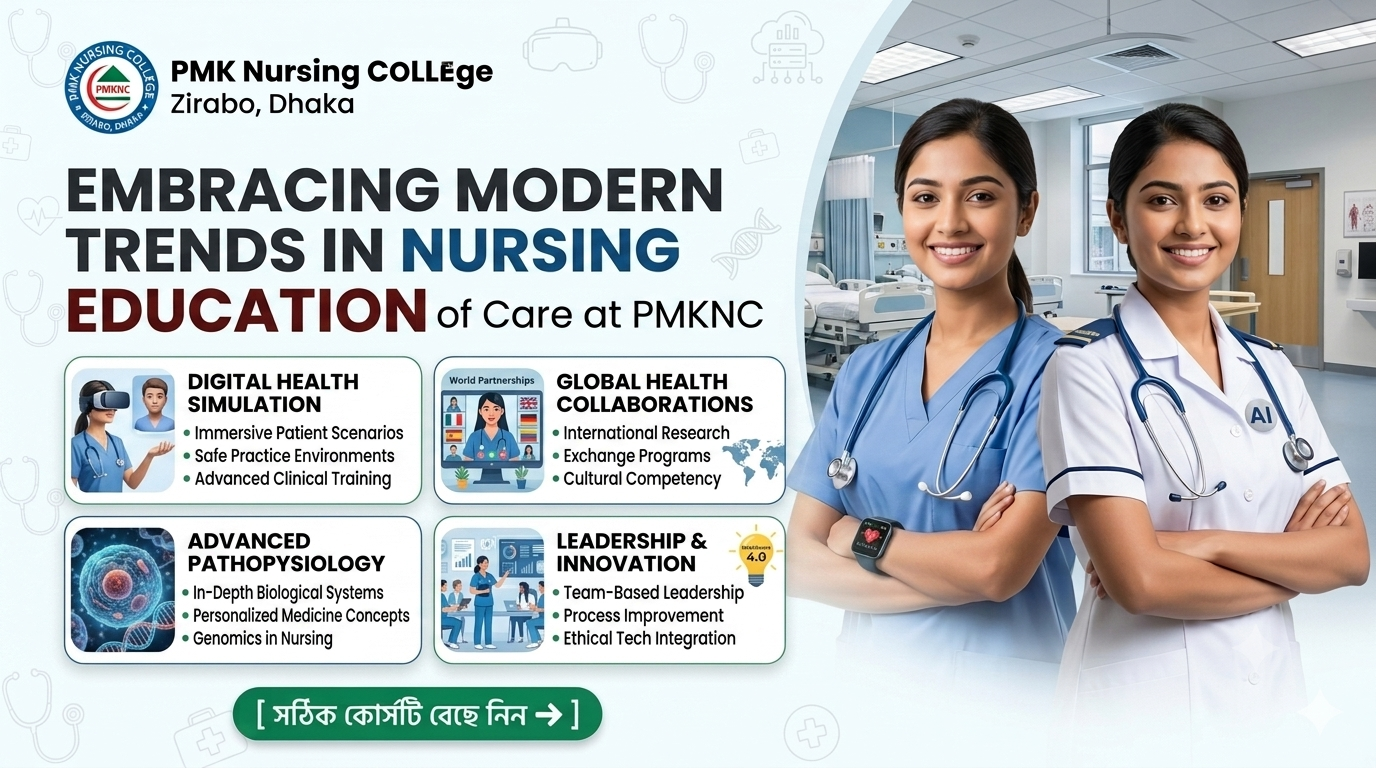
One of the most significant trends in nursing education is the integration of technology into learning. Digital learning platforms, online resources, virtual classrooms, and simulation-based training have transformed the way students learn. These tools provide interactive learning experiences and help students develop practical skills in a safe and controlled environment before working with real patients.
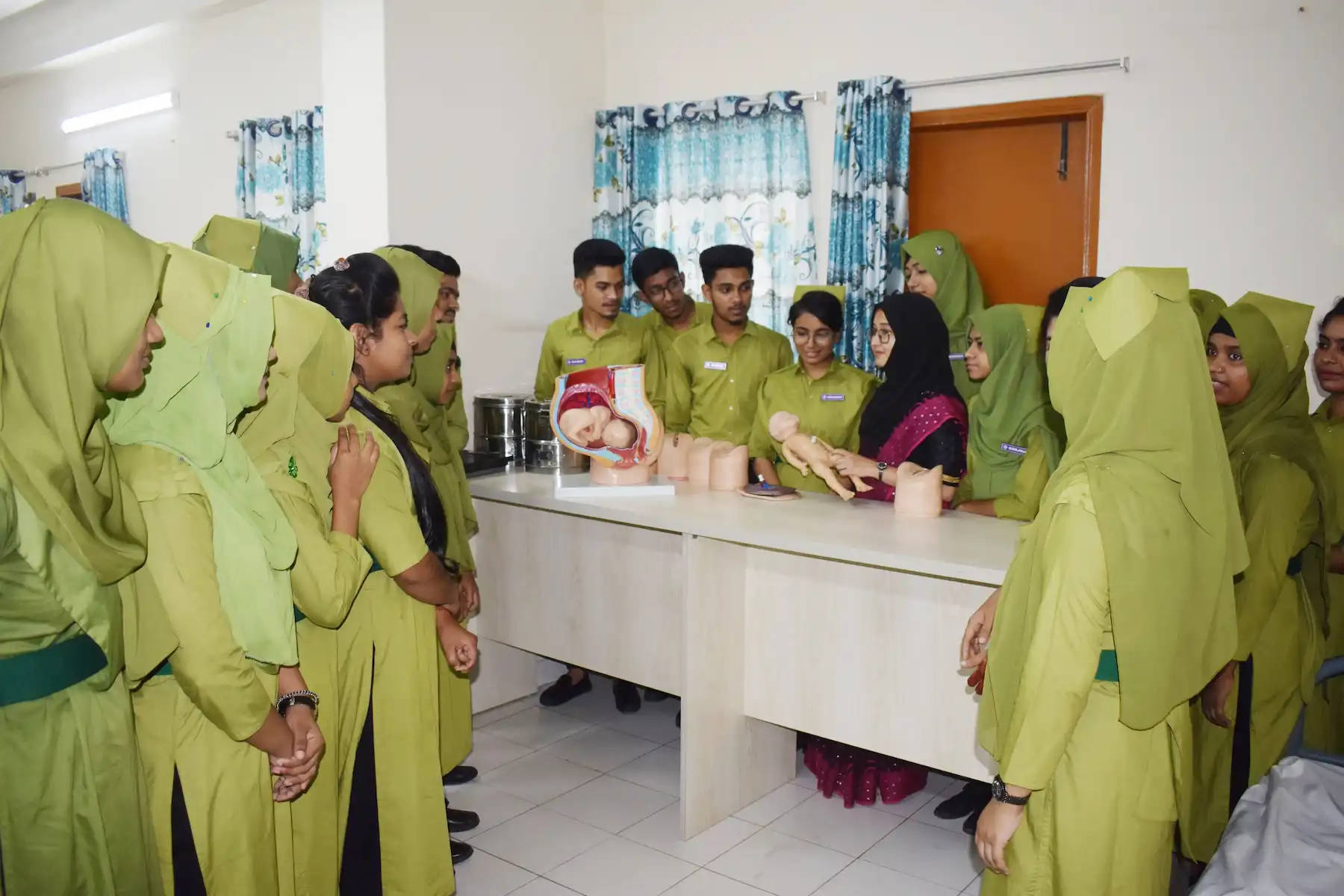
Simulation-based education has become an essential component of modern nursing programs. Through simulated clinical scenarios, students can practice patient assessment, emergency response, medication administration, and decision-making skills. This approach improves confidence, reduces errors, and enhances clinical readiness.
Another important trend is the emphasis on evidence-based practice. Nursing students are encouraged to use research findings and scientific evidence when making clinical decisions. This approach helps improve patient outcomes and ensures that healthcare practices remain current and effective.
Interprofessional education is also gaining importance in modern healthcare training. Nursing students often learn alongside students from other healthcare disciplines, such as medicine, pharmacy, and public health. This collaborative approach strengthens teamwork, communication, and patient-centered care, which are essential in today's healthcare environment.
The growing use of telemedicine and digital healthcare services is creating new opportunities for nursing professionals. As healthcare institutions increasingly adopt electronic health records and remote patient monitoring systems, nurses must develop technological competencies alongside their clinical skills. Modern nursing education prepares students to work effectively in these technology-driven healthcare settings.
At PMK Nursing College, students are encouraged to embrace modern approaches to nursing education through quality teaching, practical training, and continuous professional development. The college aims to equip future nurses with the skills required to meet the challenges of a rapidly changing healthcare landscape.
As healthcare continues to evolve, nursing education must continue to innovate. By combining traditional nursing values with modern technology, research, and practical experience, today's nursing programs are preparing a new generation of healthcare professionals capable of delivering safe, compassionate, and effective patient care. The future of nursing education is dynamic, and students who embrace these modern trends will be well-positioned for successful and rewarding careers in healthcare.